
The success of your fund-a-need depends upon having donors prepared to lead the way, especially at your highest levels. The goal is to start strong and build momentum from the very first moment your auctioneer begins asking for donations. If you have any levels without a donation it puts a damper on your fundraising. But how do you secure those donations? What strategies do we recommend to get donors to commit to your fund-a-need in advance?
You should have at least one donor lined up for the top two or three levels of your fund-a-need. The higher you are starting your appeal, the more levels you will need to secure lead donations for. If you are starting at $10,000 we recommend securing donors at the top two levels. If you are starting at $100,000 get commitments for at least the top four levels, preferably five. This is because the higher you start, the more levels you need to cover before you reach what can be considered “impulse levels.”
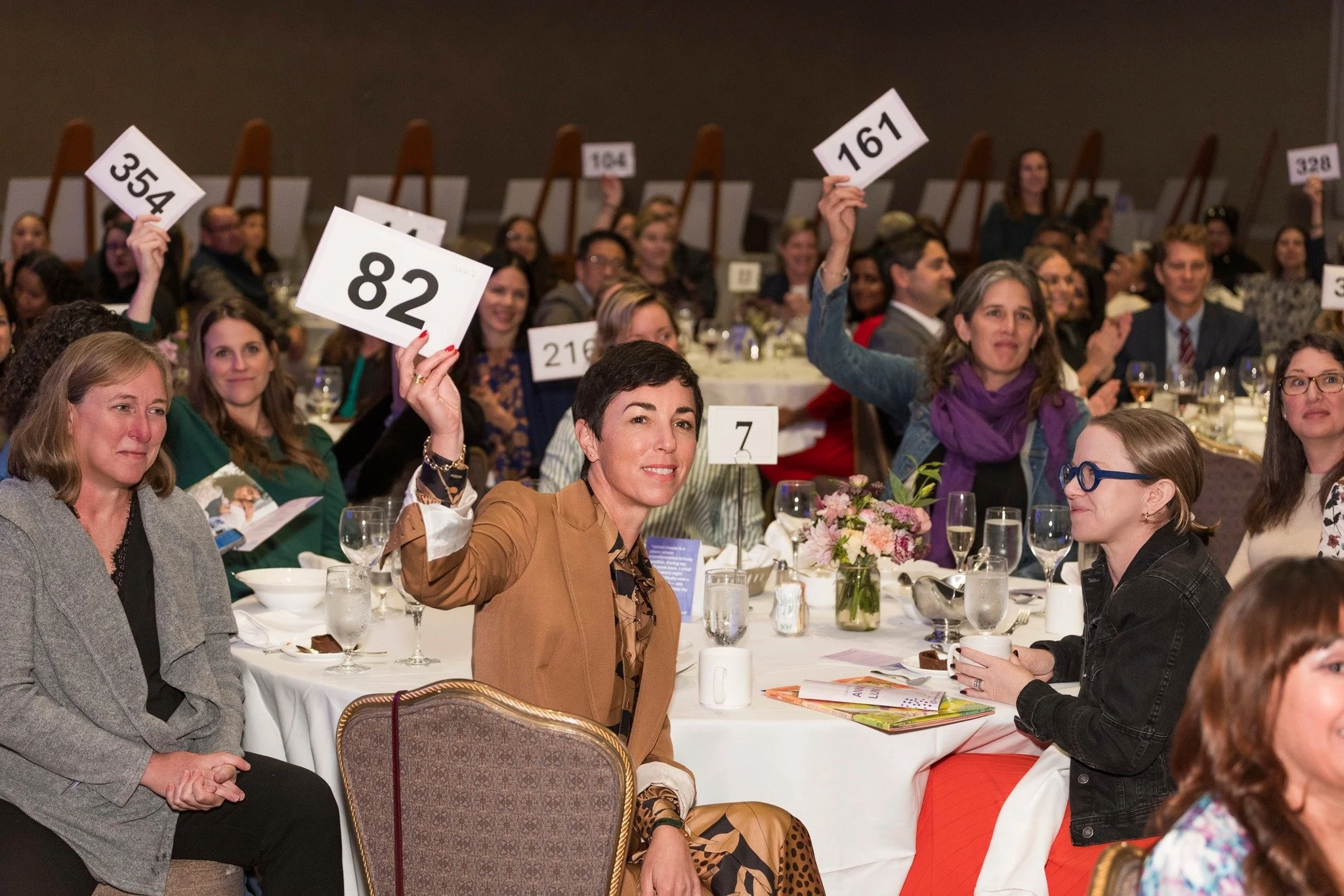
We recommend you start by making asks well in advance of your event. Do not wait until the night of your event and hope to convert potential into action with a few drinks and a good meal. Engage potential donors four to eight weeks before your event. Where the data exists, reach out to donors who have previously donated to your fund-a-need and engage them for the current year. Reference the work they’ve helped you achieve in conjunction with their generous donation. Be positive, assertive and respectful.
“Hey, Linda, we are so excited that you are attending our gala again this year. Last year you generously helped us send four students off to college with your donation of $20,000. Can our students rely on you again this year?”
Where appropriate, include major donors early in the planning process. If you are trying to define this year’s fund-a-need, and having a difficult time deciding between two options, ask last year’s biggest donors what they would be most compelled to support, and at what level. The best development professionals treat donor cultivation as a year-round conversation, not just a night-of engagement.
If you’ve never done a fund-a-need before, it is especially important to get donor buy-in before the event, and to secure gifts at those top levels. I’ve been put in the position of needing to secure a lead donation, and I simply told the potential donor, “I need your help. We are starting something new tonight, and we need someone to be the first hand in the air. It is going to be the push that gets the snowball rolling. Can I count on you to do $2,500? $5,000? Or higher…?”
How you ask is nowhere near as important as the act of making the ask. I’ve done numerous fund-a-needs where I was told, “This will be great, [Billionaire] is in the room, start at $50,000!” Only to have said billionaire sit on his paddle, because no one asked him to be the lead.
The cultivation work in advance of your gala is crucial to the success of your fund-a-need. Remember: your biggest donors want you to succeed, and it is your job to enable them to make that possible.


