fund-a-need

Fund-a-Need Ask Strategies

The success of your fund-a-need depends upon having donors prepared to lead the way, especially at your highest levels. The goal is to start strong and build momentum from the very first moment your auctioneer begins asking for donations. If you have any levels without a donation it puts a damper on your fundraising. But how do you secure those donations? What strategies do we recommend to get donors to commit to your fund-a-need in advance?

You should have at least one donor lined up for the top two or three levels of your fund-a-need. The higher you are starting your appeal, the more levels you will need to secure lead donations for. If you are starting at $10,000  we recommend securing donors at the top two levels. If you are starting at $100,000 get commitments for at least the top four levels, preferably five. This is because the higher you start, the more levels you need to cover before you reach what can be considered “impulse levels.”
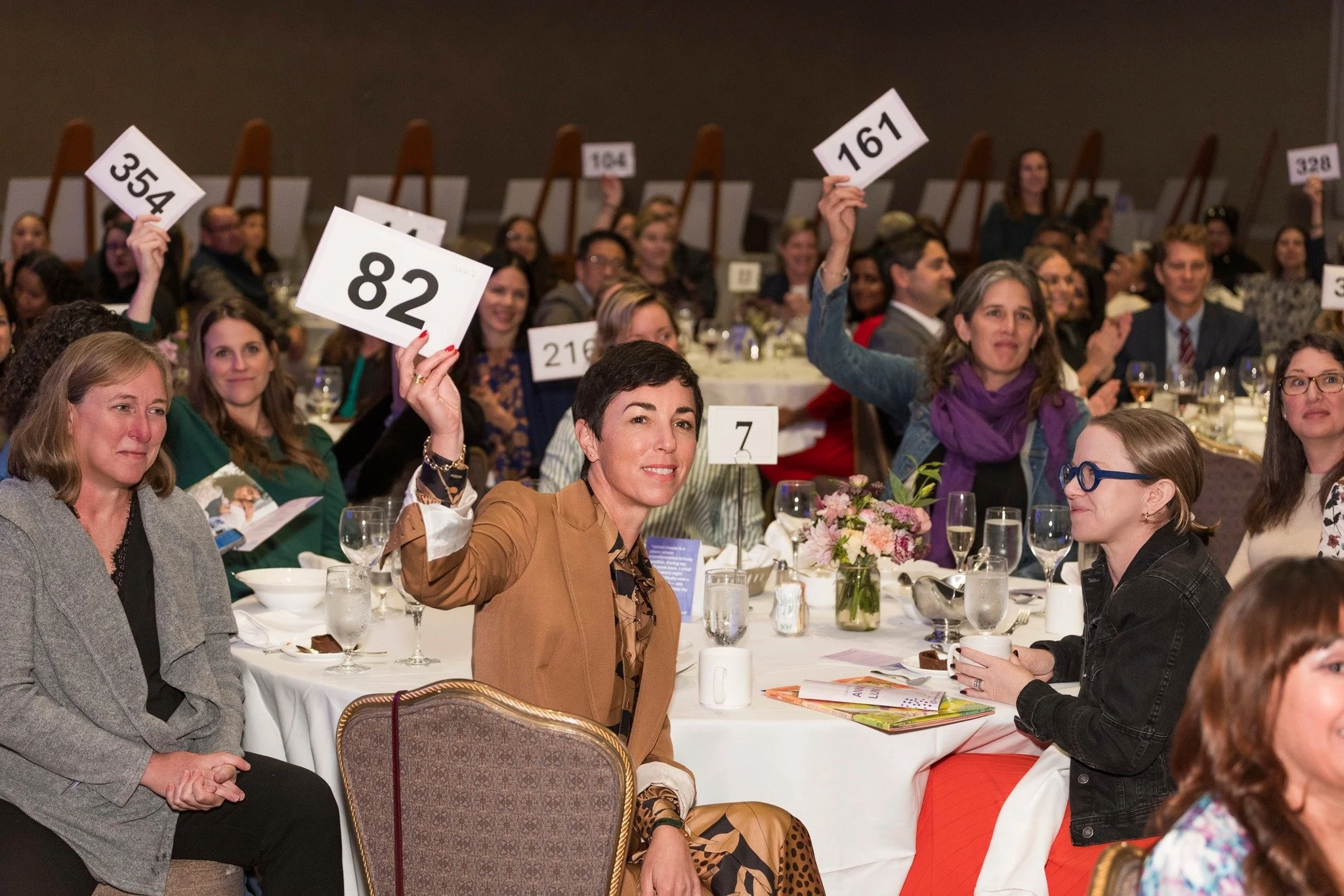
We recommend you start by making asks well in advance of your event. Do not wait until the night of your event and hope to convert potential into action with a few drinks and a good meal. Engage potential donors four to eight weeks before your event. Where the data exists, reach out to donors who have previously donated to your fund-a-need and engage them for the current year. Reference the work they’ve helped you achieve in conjunction with their generous donation. Be positive, assertive and respectful.

“Hey, Linda, we are so excited that you are attending our gala again this year. Last year you generously helped us send four students off to college with your donation of $20,000. Can our students rely on you again this year?”

Where appropriate, include major donors early in the planning process. If you are trying to define this year’s fund-a-need, and having a difficult time deciding between two options, ask last year’s biggest donors what they would be most compelled to support, and at what level. The best development professionals treat donor cultivation as a year-round conversation, not just a night-of engagement.

 If you’ve never done a fund-a-need before, it is especially important to get donor buy-in before the event, and to secure gifts at those top levels. I’ve been put in the position of needing to secure a lead donation, and I simply told the potential donor, “I need your help. We are starting something new tonight, and we need someone to be the first hand in the air. It is going to be the push that gets the snowball rolling. Can I count on you to do $2,500? $5,000? Or higher…?”

 How you ask is nowhere near as important as the act of making the ask. I’ve done numerous fund-a-needs where I was told, “This will be great, [Billionaire] is in the room, start at $50,000!” Only to have said billionaire sit on his paddle, because no one asked him to be the lead.

The cultivation work in advance of your gala is crucial to the success of your fund-a-need. Remember: your biggest donors want you to succeed, and it is your job to enable them to make that possible.

Use Poker Chips to Make More Money (and Fun) at Your Fundraising Event

One goal at any fundraising auction is to lower barriers to participation and make it as easy and fun as possible for attendees to donate. One simple (and fun) way to do this is to use poker chips as currency at your event.

Poker chips with each bidder’s number on them are included with each paddle at check-in at the John Muir Health gala.

When you give attendees their paddles at check-in, include a few poker chips with their bidder number printed on them. Attendees can then use those poker chips to enter raffles, play games, or purchase items if you have any for sale. From a psychological standpoint, it is easier to simply place a chip in a basket than it is to pay cash (there is a reason casinos prefer to use chips instead of cash). It is also more fun for attendees to have a stack of chips and be on the lookout for ways to utilize them.

You can make the process as simple or as complicated as you like. The John Muir Health Foundation (pictured) provides each attendee with two chips, and only offers raffle opportunities. Attendees can choose to drop these chips in the bins for the various raffles, or not.

Another organization holds a western-themed event and offers event-themed items for sale at $25 or $50 each (think straw cowboy hats, sheriff’s badges and the like). At check-in, each attendee gets a small bag of chips of varying denominations that adds up to a total of $200, and can spend those chips on the various items available, use them for raffle entries, etc. If they spend all their chips, they can always get more.

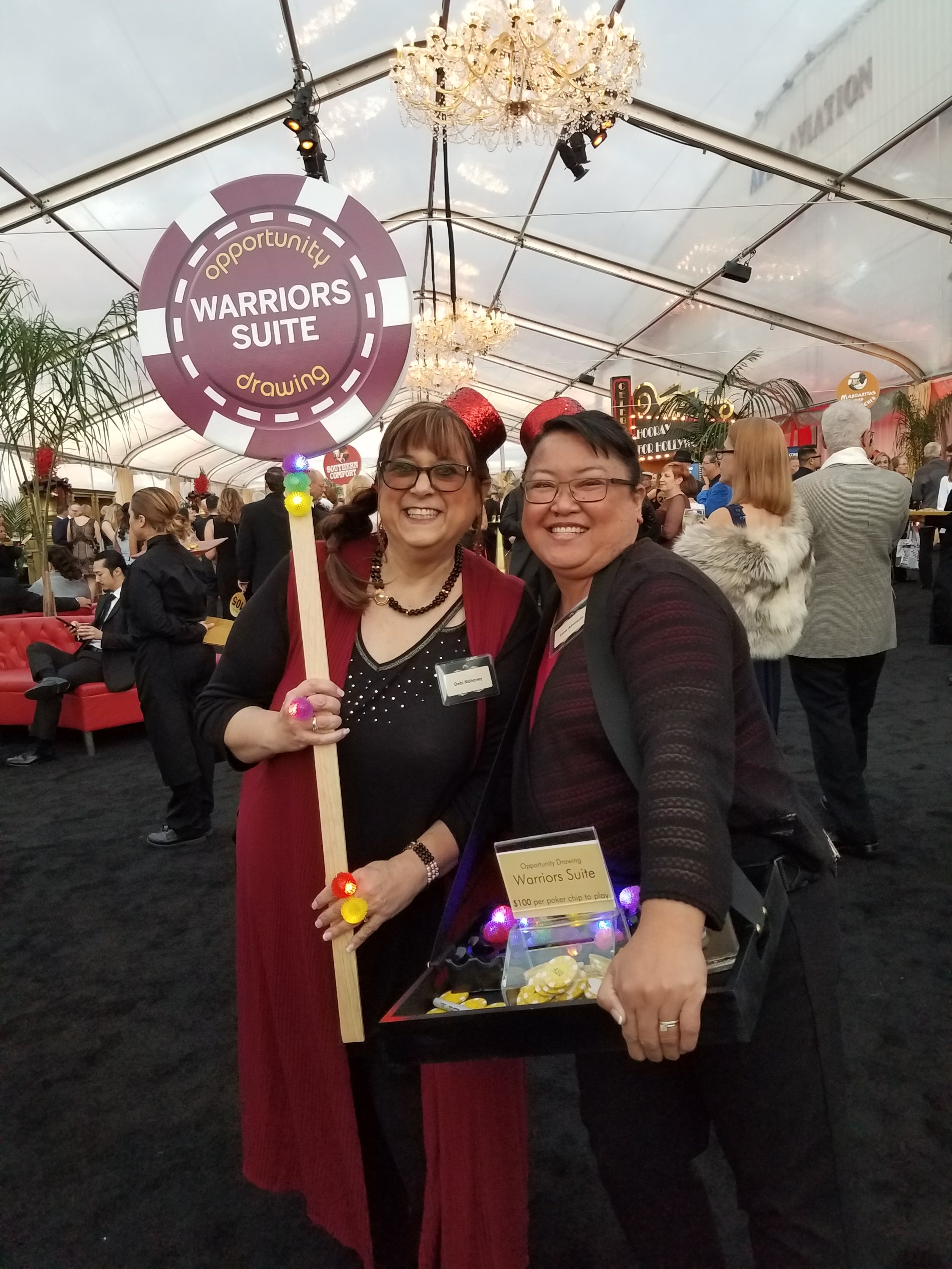
Easy to find, easy to participate, and fun! This team selling opportunities for a raffle just needs one thing from you: put your chip in the box!

Take the process one step further, and enable attendees to use their chips in your fund-a-need. After your auctioneer has conducted all the pre-announced levels of the fund-a-need, give the crowd one last opportunity to make a difference. Volunteers walk around with baskets, similar to a “paddle sweep” or “paddle drop,” and attendees make contributions by throwing their chips into the baskets.

It does require a small amount of planning, but the logistics of using chips are straight-forward. You will need to:

  • Acquire poker chips (available for about $0.15/each online)

  • Print people’s bidder numbers on the chips

  • Create opportunities for attendees to use the chips

  • Have receptacles for them and volunteers/staff to actively encourage participation

  • Create an accounting system for entering and billing all of the contributions

Staff and volunteers need to be prepared to help guide people through the process. “You want to enter a chance to win tickets to a Warriors game? Just put your poker chip right here!” As with any sales job at your event, the most engaging people are going to be the most successful.

Go all-in on something new at your next event! Make donating easier and more fun, and you’ll inevitably raise more money.


Use a chair to make your fund-a-need more successful

The fund-a-need is the single most important element of the majority of fundraising auctions we conduct. The fund-a-need usually makes as much as or more than the combined total of the rest of the auction lots. In many cases, the fund-a-need generates three to five times more than the rest of the auction as a whole.

Statistically speaking, more people participate in the fund-a-need than the rest of your auction combined.

An item this integral to the success of your event and your organization deserves its own committee chair.

Typically, the fund-a-need falls within the purview of the live auction chairs. However, these are the people who have been tasked with soliciting auction lots, creating packages out of them, writing up their descriptions and then marketing them. They have a lot on their plate, and often they simply want to know what the staff has decided to do the fund-a-need for, and where to put it in the auction.

Make one person the chair of the fund-a-need, and enable them to focus on all of the small details that will help make the appeal more successful. The fund-a-need chair can:

  • Work directly with staff to determine and define the fund-a-need;
  • Identify ways to quantify the need so that it maps to every pledging level;
  • Write the description for the catalog;
  • Coordinate the testimonial for the night-of the event, including either the creation of a video or working to identify appropriate speakers; and
  • Identify and solicit lead donors for each level of the fund-a-need.

With or without a fund-a-need chair, each of these steps is integral to the ongoing success of your fund-a-need. Putting one person in charge of all of them ensures consistency across the myriad tasks' timeline to help make it successful. Creating a fund-a-need chair also elevates the importance of the fund-a-need among those planning your event and auction.

A successful fund-a-need takes work, it seldom “just happens.” Getting other committee members to recognize that will change the perspective of the fund-a-need within your community, all of which will help make it more successful

It is the single biggest moment of your event, work to make it so.